

The act of breathing is so fundamental to human survival that it occurs entirely on autopilot, managed continuously by the brainstem without requiring a single conscious thought. Because it happens automatically, most individuals pay very little attention to how they breathe. However, modern lifestyle patterns, characterized by prolonged sitting, chronic mental stress, and poor postural habits, have fundamentally degraded the human respiratory pattern.
Many people habitually engage in shallow chest breathing, utilizing only a small fraction of their total lung capacity. Over time, this inefficient breathing pattern compromises oxygen delivery, accelerates heart rate, elevates systemic stress levels, and leaves the body feeling chronically fatigued.
To counteract this respiratory decline, classical yoga offers a highly sophisticated, scientifically validated system for optimizing lung function. Through a deliberate combination of structured physical postures, spinal alignment, and targeted breathing exercises, yoga helps individuals reclaim their natural, efficient respiratory mechanics. By transforming breathing from a passive, shallow reflex into an active, deep practice, yoga strengthens the respiratory musculature, expands thoracic mobility, and enhances overall cellular oxygenation.
The Anatomy of the Breath and Inefficient Habits
To understand how yoga explicitly supports the respiratory system, you must first examine the physical anatomy responsible for moving air in and out of the body. The primary engine of respiration is the diaphragm, a dome-shaped muscle situated directly beneath the lungs, separating the thoracic cavity from the abdomen.
When you take a anatomically efficient breath, the diaphragm contracts and moves downward into the abdominal cavity. This downward movement creates a vacuum inside the chest, pulling air deep into the lowest chambers of the lungs, where the highest concentration of blood vessels resides for optimal gas exchange. Simultaneously, the lower ribs expand outward, and the abdomen gently distorts forward.
In contrast, chronic stress and poor posture cause individuals to default to upper chest breathing. In this flawed pattern, the diaphragm remains largely sedentary, and the body relies on accessory respiratory muscles, such as the intercostals of the ribs, the scalenes of the neck, and the pectoralis minor of the chest, to lift the entire rib cage. This shallow process requires significantly more muscular energy, irritates the nervous system, and leaves oxygen trapped in the upper airways, failing to reach the nutrient-hungry tissues at the base of the lungs.
How Yoga Physically Expands Thoracic Architecture
Yoga directly addresses the structural limitations that impede deep breathing by stretching and strengthening the entire muscular skeletal framework surrounding the lungs.
Restoring Spinal and Rib Cage Mobility
The lungs are housed within the rib cage, which connects directly to the thoracic spine. If an individual spends hours hunching over a computer or smartphone, the chest muscles tighten, the upper back rounds, and the joints of the rib cage become stiff. This collapsed posture physically compresses the lungs, making it mechanically impossible to take a full, deep breath.
Yoga sequences utilize dynamic movements to reverse this compression. Postures that require back bending, such as Cobra Pose or Sphinx Pose, stretch the tight pectoralis major and minor muscles while lengthening the anterior chest wall. Twisting postures, such as a Seated Spinal Twist, rotate the thoracic vertebrae, mobilizing the rib joints and lengthening the intercostal muscles that sit between individual ribs. As these structures loosen, the chest gains the elasticity required to expand fully in all three dimensions during inhalation.
Strengthening the Primary Respiratory Muscles
Yoga is not a passive stretching routine; it requires sustained isometric muscle activation. Holding standing postures, such as the Warrior sequences, requires a strong, stable core and proper pelvic alignment, which provides a solid baseline for the diaphragm to contract effectively.
Furthermore, by consciously moving the body in sync with long, deep breaths, you force the diaphragm to work against the resistance of gravity and your own body position. This conscious resistance acts as a form of weight training for your breathing muscles, increasing the absolute strength and endurance of both the diaphragm and the external intercostals.
Pranayama: The Science of Voluntary Breath Regulation
While physical postures optimize the structural container of the lungs, the yogic practice of Pranayama focuses entirely on training the respiratory system itself. Pranayama translates directly to the control or expansion of vital life force, utilizing specific exercises to manipulate the depth, rate, and rhythm of the breath.
Clinical research reveals that regular Pranayama practice alters the baseline sensitivity of chemoreceptors in the brain, which monitor carbon dioxide and oxygen levels in the blood. By training the body to tolerate higher, safe thresholds of carbon dioxide through slower breathing, yoga reduces the frantic, automatic urge to pant, leading to a calmer, highly efficient respiratory rate at rest.
Several foundational Pranayama techniques offer distinct benefits for lung function:
-
Dirga Pranayama (The Three-Part Breath): This technique trains beginners to utilize their full lung capacity by consciously directing the air first deep into the lower abdomen, then into the rib cage, and finally into the upper chest, reversing the sequence completely upon exhalation.
-
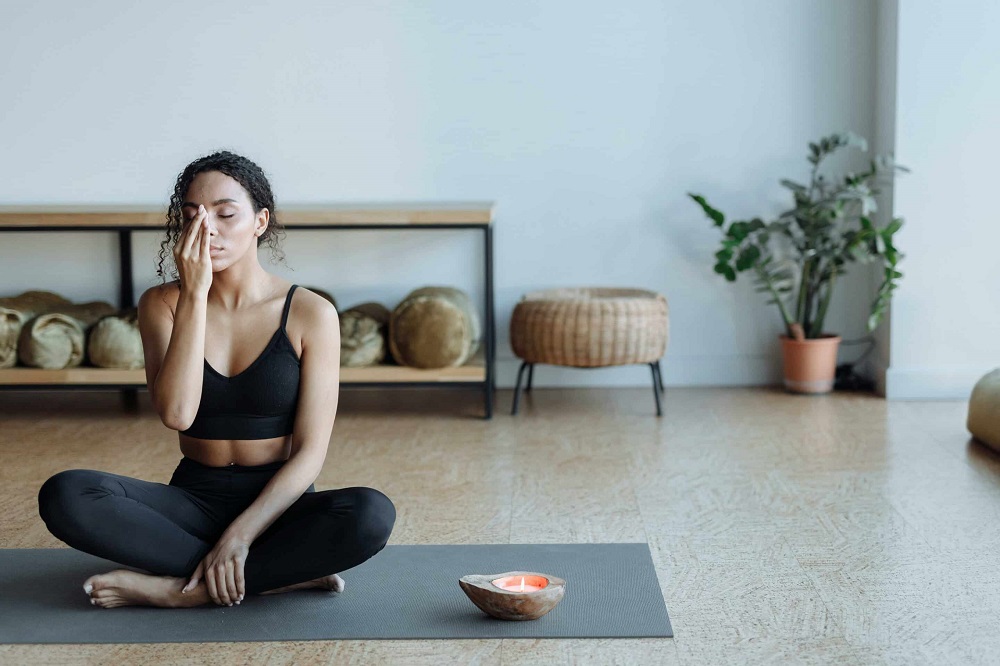
Nadi Shodhana (Alternate Nostril Breathing): This practice involves closing one nostril at a time to alternate air flow. It balances the autonomic nervous system, lowers the resting heart rate, and encourages equal airflow through both nasal passages, filtering and warming the air before it reaches the bronchial tubes.
-
Bhastrika (Bellows Breath): A rapid, forceful diaphragmatic exercise that acts as a physical pump for the lungs, clearing stagnant air from the alveoli, stimulating circulation, and waking up dormant respiratory tissues.
Systematic Benefits of Yogic Breathing on Health
When you improve your lung function through yoga, the physiological benefits extend far beyond the borders of the respiratory system, impacting cellular energy and nervous system balance.
Optimizing Cellular Gas Exchange and Energy
The ultimate purpose of breathing is to deliver oxygen to the mitochondria of your cells to produce adenosine triphosphate, the primary energy currency of the human body. Shallow breathing limits the absolute volume of oxygen available for this conversion, leading to chronic physical lethargy and mental fatigue.
By increasing your tidal volume, which is the amount of air moved in a single breath, yoga ensures that a rich supply of oxygen consistently reaches the alveoli. This optimal gas exchange allows the blood to efficiently dump carbon dioxide and absorb oxygen, resulting in a sustainable increase in daily energy levels and clearer cognitive function.
Down-Regulating the Central Nervous System
The respiratory system is unique because it is the only autonomic bodily function that can be instantly overridden by conscious control. This link makes your breath a powerful dashboard for your entire central nervous system.
When you take rapid, shallow breaths, you send immediate panic signals to the amygdala, the stress center of the brain, activating the sympathetic fight-or-flight response. By utilizing yogic techniques to lengthen the exhalation relative to the inhalation, you stimulate the vagus nerve. The vagus nerve releases acetylcholine, a chemical messenger that instantly lowers blood pressure, slows down an overactive heart, and induces a profound state of systemic relaxation.
Implementing a Safe and Sustainable Breathing Routine
To safely improve your lung health through yoga, you must approach the practice with patience and consistent execution. Pushing your body to hold its breath for too long or forcing air aggressively can strain the delicate tissues of the lungs and trigger hyperventilation.
Begin with a simple five-minute daily practice performed in a comfortable, seated position with your spine completely straight. Dedicate the first few weeks purely to mastering the Three-Part Breath, ensuring your abdomen rises naturally before your chest moves during inhalation. As your body adapts and your thoracic mobility improves, you can gradually introduce more advanced Pranayama techniques, using consistency rather than intensity as your metric for long-term success.
Frequently Asked Questions
How does breathing specifically through the nose differ from breathing through the mouth during yoga?
Nasal breathing is a vital requirement for respiratory health. The nasal passages are lined with tiny hairs called cilia, complex turbinates, and mucous membranes that act as a natural filtration system, purifying the incoming air from dust, allergens, and pathogens. Furthermore, the nose warms and humidifies the air to match body temperature, protecting the sensitive airways of the lungs from irritation. Mouth breathing bypasses these defensive mechanisms, drawing cold, unfiltered air directly into the bronchi, which can trigger bronchospasms and airway inflammation.
Can individuals with chronic respiratory conditions like asthma safely practice yoga?
Yes, individuals with asthma can safely practice yoga, and many find it highly therapeutic under proper medical supervision. Yoga helps asthmatics by reducing the hyper-reactivity of the airways through nervous system relaxation, as emotional stress is a well-documented trigger for asthma attacks. Gentle, slow breathing exercises train asthmatics to resist the urge to hyperventilate during a flare-up. However, individuals with asthma should avoid rapid, aggressive breathing techniques like Bellows Breath, which can inadvertently cool the airways and provoke a coughing fit.
What is the physiological explanation for why a long exhalation induces a state of calm?
When you elongate your exhalation, you alter the pressure dynamic inside your thoracic cavity. During a long, controlled exhale, the diaphragm moves upward, decreasing the total volume of the chest cavity and slightly increasing the pressure on the heart. The brain perceives this pressure shift as an increase in blood pressure and responds by signaling the vagus nerve to slow down the heart rate. This immediate biological feedback loop drops the body out of a state of stress and activates the rest-and-digest nervous system.
How does yoga improve alveolar ventilation and prevent the collapse of small airways?
The lungs contain millions of microscopic air sacs called alveoli, where gas exchange takes place. In sedentary individuals who practice shallow breathing, the alveoli in the lower lobes of the lungs are rarely fully inflated, which can lead to micro-atelectasis, a condition where these tiny air sacs partially collapse and become stagnant. The deep, sustained inhalations practiced in yoga introduce a high volume of air that physically expands these dormant alveoli, keeping the lung tissue elastic and optimizing total surface area for oxygen absorption.
Why is it important to keep the spine entirely straight while practicing pranayama?
Maintaining a straight, neutral spine is essential for maximizing the physical space available to the respiratory organs. When the spine slumps forward, the rib cage drops downward and tilts backward, compressing the abdominal cavity and pinning the diaphragm in a restricted position. A completely straight spine stacks the vertebrae naturally, opening up the intercostal spaces between the ribs, leveling the pelvis, and allowing the diaphragm to move downward through its maximum anatomical range of motion without restriction.
What is nitric oxide and how does yogic nasal breathing enhance its production?
Nitric oxide is a gas molecule produced continuously by the cellular linings of the nasal passages and paranasal sinuses. When you breathe slowly through your nose, you carry this nitric oxide directly down into your lungs. Nitric oxide acts as a potent vasodilator and bronchodilator, meaning it relaxes and widens both the blood vessels and the airways in the lungs. This widening significantly lowers pulmonary vascular resistance, increases blood flow to the lungs, and enhances the absolute efficiency of oxygen transport into the bloodstream.
Can practicing yoga restore lung function lost due to the natural aging process?
While yoga cannot reverse permanent structural damage to lung tissue, such as the destruction seen in severe emphysema, it can significantly counteract the standard age-related decline in respiratory efficiency. As humans age, the costal cartilages that connect the ribs to the breastbone naturally calcify and stiffen, reducing chest elasticity. By consistently stretching and mobilizing these joints, yoga preserves chest wall compliance, expands vital lung capacity, and ensures that the aging body maximizes its available respiratory resources.
Comments are closed.