
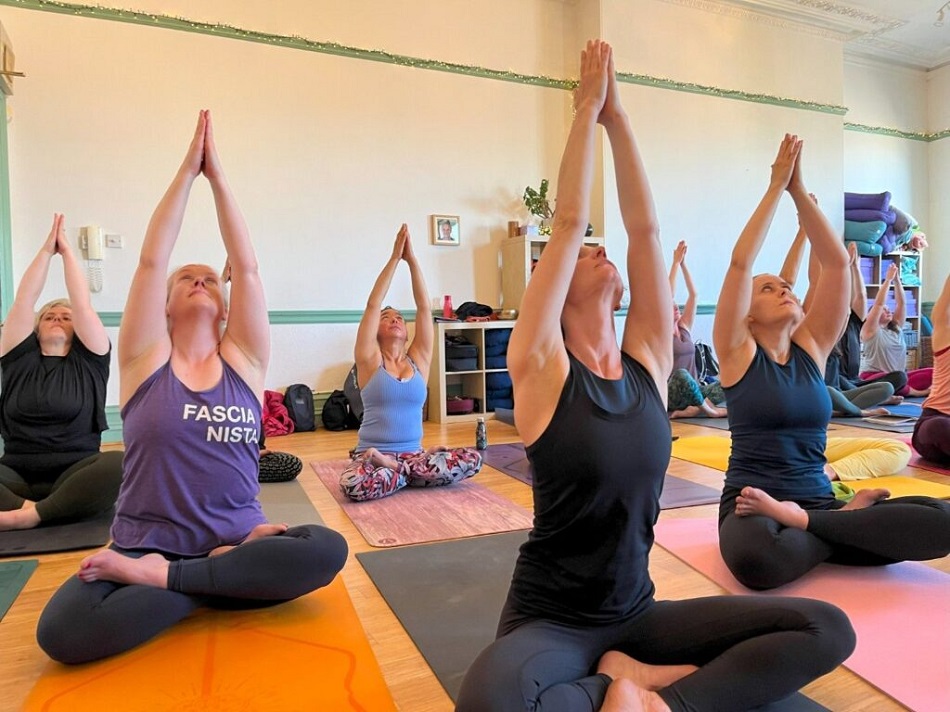

The rapid pace of modern life frequently leaves individuals feeling physically exhausted and mentally drained by the end of the day. To combat this chronic fatigue, many people turn to temporary stimulants like caffeine or energy drinks. While these substances provide a brief spike in alertness, they ultimately lead to sharp energy crashes and heightened baseline anxiety. A far more sustainable and biologically sound method for revitalizing the body is the ancient, time-tested practice of yoga.
Many beginners hesitate to start yoga because mainstream media often portrays the practice as an exclusive club for incredibly flexible individuals who can bend their bodies into intricate, painful shapes. In reality, classical yoga is a highly accessible, deeply functional movement system designed for every human body. By implementing simple, beginner-friendly yoga sessions into your weekly schedule, you can unlock a natural, steady reservoir of daily energy, alleviate physical stiffness, and establish a profound sense of overall wellness.
The Biological Mechanics of Yoga and Energy Cultivation
To understand how a gentle movement practice can generate physical vitality, you must look at how yoga alters your underlying physiology. Unlike intense cardiovascular workouts that drain your energy reserves in the short term, a balanced yoga session works to optimize your energy expenditure.
Yoga achieves this through three specific physiological pathways:
-
Nervous System Regulation: Yoga focuses on deep, rhythmic diaphragmatic breathing, which stimulates the vagus nerve and activates the parasympathetic nervous system. This shifts the body out of a stressful fight-or-flight state, lowering systemic cortisol and conserving internal energy that would otherwise be wasted on anxiety.
-
Enhanced Oxygenation: Holding deliberate physical postures while maintaining deep breath patterns opens up tight chest muscles and increases total lung capacity. This floods the blood vascular network with a fresh supply of oxygen, immediately reducing feelings of brain fog and physical lethargy.
-
Circulatory Resuscitation: Gentle twisting and stretching compress and release major blood vessels, purging stagnant metabolic waste from tissues and accelerating the delivery of fresh, nutrient-dense blood to vital organs and skeletal muscles.
By removing these physiological blocks, yoga acts as a natural generator of vitality, leaving you feeling calm, focused, and physically rejuvenated.
Essential Beginner Postures for Morning Energy
Starting your morning with a brief, ten-minute sequence of foundational yoga poses is the most effective way to eliminate sleep inertia and set a productive tone for the remainder of the day. These specific postures prioritize spinal extension and gentle chest openings to counter the curled-up position the body assumes during sleep.
Child Pose
This grounding posture serves as the ideal starting point for any beginner session. Rest your shins on the floor, bring your big toes together to touch, and separate your knees wide apart. Lower your hips back toward your heels while stretching your arms long across the floor in front of you, lowering your forehead down to the mat.
Take five deep breaths into your back ribs. This position gently stretches the lower back, stabilizes the nervous system, and allows you to establish a slow, steady breathing rhythm before transitioning into movement.
Cat and Cow Stretch
Moving the spine through its full range of motion early in the morning is vital for lubricating the spinal discs. Come onto your hands and knees in a tabletop position, aligning your wrists directly underneath your shoulders and your knees beneath your hips.
As you inhale, drop your belly down toward the floor, lift your chest and gaze upward, and arch your back. As you exhale, press firmly through your palms, round your spine up toward the ceiling, tuck your chin to your chest, and pull your navel inward. Repeat this fluid cycle for five full breaths to release tension across the entire back and neck.
Downward Facing Dog
This posture is one of the most recognized anchors of yoga, serving as a powerful full-body rejuvenator. From your tabletop position, tuck your toes under, press firmly into your hands, and lift your hips up and back to create an upside-down letter V shape with your body.
Keep a generous bend in your knees if your hamstrings feel excessively tight. Press the floor away to lengthen your spine from your wrists all the way up to your tailbone. This mild inversion encourages blood flow to the brain, stretching the calves, hamstrings, and shoulders while delivering an immediate burst of mental clarity.
Evening Postures to Decompress and Support Sleep Wellness
Just as morning yoga focuses on awakening and expansion, an evening session should prioritize deceleration, hip opening, and releasing the physical stresses accumulated from hours of sitting at a work desk.
Legs Up the Wall Pose
This passive, restorative posture is exceptionally beneficial for individuals who spend their workdays standing or sitting in stationary chairs. Sit sideways against a wall, then gently swing your legs up onto the wall as you lower your upper body flat down onto the floor.
Let your arms rest loosely by your sides with your palms facing up. Close your eyes and remain in this position for five to ten minutes. This simple inversion utilizes gravity to drain accumulated fluid from the lower extremities, reduces lower back pressure, and signals the brain to prepare for deep, restorative sleep.
Bound Angle Pose
Prolonged sitting causes the hip flexors and inner thighs to become chronically tight, which can pull the pelvis out of alignment and cause lower back pain. Sit tall on your mat, bend your knees, and bring the soles of your feet together to touch, allowing your knees to fall open to the sides like the pages of a book.
Hold your ankles or feet and keep your spine elongated. If you want to deepen the release, gently hinge forward from your hips while keeping your back straight. This pose restores circulation to the pelvic region and releases deep-seated physical tension.
Constructing a Sustainable Practice Strategy
The primary key to reaping the benefits of yoga is consistency rather than duration. A short, daily ten-minute practice is vastly superior to a single, chaotic ninety-minute session performed once a month.
To integrate yoga successfully into a busy lifestyle, follow these practical guidelines:
-
Establish a Dedicated Space: You do not need a large room; simply clear a space wide enough to roll out a standard yoga mat without bumping into furniture. Keeping this space clean and inviting reduces mental friction when it is time to practice.
-
Remove the Expectation of Perfection: Yoga is not a performance sport. Always listen to your body’s feedback; if a posture causes sharp joint pain or pinches a nerve, back out of the shape immediately. Use thick blankets or blocks to support your body whenever necessary.
-
Anchor Your Practice to Existing Habits: Tie your yoga sessions to a reliable daily routine. For instance, practice your morning sequence immediately after brushing your teeth, or perform your evening stretches right before climbing into bed.
Frequently Asked Questions
What is the specific difference between yoga and standard flexibility stretching routines?
Standard flexibility routines focus almost exclusively on isolating and lengthening specific muscle groups through mechanical pulling. Yoga integrates these physical stretches with deliberate breath synchronization, mindfulness, and isometric muscle activation. This combination targets the central nervous system alongside the muscular framework, training the brain to maintain physical stability and mental calm under positions of physical challenge.
Should beginner yoga sessions be practiced on an empty stomach?
It is highly recommended to practice yoga on an empty or light stomach. Many yoga postures involve twisting the torso, compressing the abdominal cavity, or placing the head below the hips. Performing these movements within two hours of consuming a large meal can disrupt normal digestion, leading to symptoms like acid reflux, bloating, nausea, and cramping.
How do I know if I am breathing correctly during a beginner yoga session?
Correct breathing in yoga relies on continuous diaphragmatic nasal breathing. Your breath should be slow, deep, and audible, passing entirely through your nose rather than your mouth. When you inhale, your abdomen should expand outward like a balloon, followed by a slight lifting of the chest. If your breath becomes ragged, shallow, or if you find yourself holding your breath, it is a clear sign that you are pushing too hard and need to regress the posture.
Can practicing yoga regularly help an individual build functional muscle strength?
Yes, yoga is an excellent tool for developing functional relative strength and isometric endurance. Postures like plank pose, warrior sequences, and chair pose require you to support your own body weight against gravity for extended durations. This sustained muscle contraction stimulates the recruitment of deep stabilizing muscles, particularly within the core, hips, and shoulders, enhancing overall joint stability.
What should I do if my knees or wrists hurt during tabletop positions?
Wrist and knee discomfort is incredibly common among beginners whose joints are not yet adapted to bearing weight. To protect your knees, place a folded blanket or an extra cushion underneath them for padding. To alleviate wrist pain, ensure your fingers are spread wide and press firmly through your fingertips and knuckles to distribute your weight evenly, avoiding dumping all your mass into the heel of your hand. Alternatively, you can drop down onto your forearms to bypass the wrist joints completely.
How does the usage of blocks and straps benefit a beginner who lacks flexibility?
Yoga blocks and straps serve as extensions of your own body, effectively bringing the floor closer to you. If you cannot reach your toes in a forward fold, wrapping a strap around your feet allows you to maintain a straight, safe spine while stretching. If you cannot touch the floor in a side angle pose, resting your hand on a block prevents you from collapsing your chest and twisting your spine unsafely, ensuring you maintain proper alignment.
Is it acceptable for pregnant women to start a beginner yoga routine?
While gentle movement is highly beneficial during pregnancy, a completely untrained beginner should seek a specialized prenatal yoga class rather than a standard beginner sequence. Prenatal yoga explicitly avoids positions that compress the abdomen, deep closed twists, or postures that require lying flat on the back for extended periods, ensuring the safety of both the mother and the developing baby. Always consult a healthcare professional before initiating a new routine.
Comments are closed.