
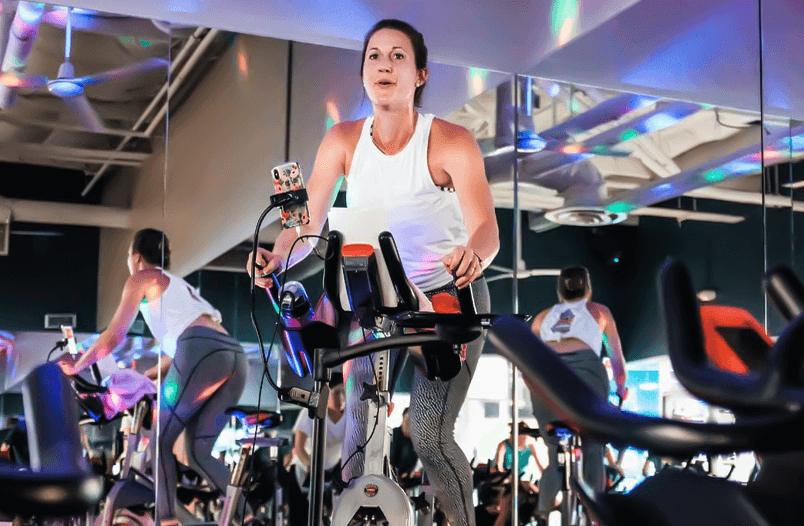

In Singapore’s fast-paced environment, people often choose their workouts based on availability rather than science. Yet research shows that the time of day you exercise may have a measurable impact on your performance, recovery, and even long-term health. When it comes to high-intensity workouts like an indoor spin class, aligning your training with your circadian rhythm can make the difference between progress and plateau.
Circadian rhythm refers to the body’s internal clock, regulating sleep, energy, hormone production, and metabolism. By understanding this biological cycle, fitness enthusiasts can optimise spin sessions for maximum results. Fitness hubs such as TFX increasingly recognise that personalised scheduling is as important as the workout itself, encouraging riders to train smarter, not just harder.
What Is Circadian Rhythm?
Circadian rhythm is a roughly 24-hour cycle that influences when you feel alert, tired, or energised. It is controlled by the suprachiasmatic nucleus in the brain, which responds to light exposure and regulates hormones like cortisol and melatonin.
-
Morning: Higher cortisol levels, which increase alertness.
-
Afternoon: Peak muscle strength and coordination.
-
Evening: Body temperature rises, improving flexibility and cardiovascular efficiency.
Understanding these variations helps you identify the ideal time to attend spin class sessions that align with your goals, whether fat loss, endurance, or peak power.
Morning Indoor Spin Classes: Energising the Day
Many Singapore professionals choose morning spin sessions to start their day. Morning exercise provides unique physiological benefits:
-
Boosts Metabolism: Studies suggest that morning training enhances fat oxidation, which benefits those focusing on weight management.
-
Consistency Advantage: Attending class before work reduces the risk of missing sessions due to late-day fatigue.
-
Mood Enhancement: Endorphins released early set a positive tone for the day, improving productivity and focus at work.
However, morning workouts may not always deliver peak power output since body temperature and muscle flexibility are still warming up. Riders need a proper warm-up routine to reduce stiffness and prevent injuries.
Afternoon Sessions: Striking the Balance
Afternoons are often overlooked, but research shows significant benefits. Between 12 pm and 4 pm, body temperature, muscle coordination, and reaction times are stable, providing a balanced environment for endurance and strength training.
-
Improved Endurance: VO₂ max, a measure of aerobic fitness, is moderately high in the afternoon.
-
Reduced Injury Risk: Muscles are fully warmed up, reducing the chance of strains.
-
Mental Break: A midday spin session can refresh the brain, combatting the slump many experience after lunch.
For those with flexible schedules, afternoon spin classes can be an effective compromise, blending energy efficiency with reduced physical stress.
Evening Indoor Spin Classes: Maximum Power Output
Science consistently shows that late afternoon to evening (5 pm to 8 pm) is when the body performs at its peak. This period is often linked to improved strength, power, and anaerobic performance.
-
Peak Cardiovascular Efficiency: Heart rate and blood flow are optimised, allowing more oxygen delivery to muscles.
-
Better Strength Performance: Muscle contractility and joint mobility are enhanced, supporting higher resistance levels.
-
Stress Relief: Evening classes double as mental decompression after long workdays.
The challenge lies in balancing evening workouts with adequate rest. Exercising too close to bedtime can interfere with sleep due to elevated adrenaline levels. A cool-down routine and hydration are essential for proper recovery.
Chronotype and Personalisation
Not everyone shares the same circadian profile. Some are “morning larks,” thriving with early workouts, while others are “night owls,” performing best in the evening. Identifying your chronotype can make training more effective.
-
Morning Chronotype: Benefits from early sessions with lighter resistance and progressive intensity.
-
Evening Chronotype: Excels in late-day spin classes, capable of sustaining higher cadence and resistance.
-
Intermediate Chronotype: Flexible across schedules, focusing on consistency rather than timing.
Recognising your natural tendencies ensures you train at times when your body responds best, enhancing performance without unnecessary strain.
The Science Behind Hormones and Timing
Hormones significantly affect workout outcomes. For spin class enthusiasts, understanding these patterns is essential:
-
Cortisol: High in the morning, aiding fat metabolism but potentially reducing muscle-building efficiency.
-
Testosterone: Peaks early, supporting strength development.
-
Growth Hormone: More active at night, influencing muscle repair and recovery.
By aligning workouts with these hormonal patterns, riders can target specific goals such as fat burning in the morning or power and endurance in the evening.
Practical Strategies for Singapore Riders
-
Define Your Goal:
-
Fat loss: Aim for morning sessions.
-
Strength and endurance: Choose evening classes.
-
-
Listen to Your Body: Track perceived exertion during different times of day and choose when you feel most efficient.
-
Consistency Is Key: The best time is the one you can sustain long-term. Irregular schedules can confuse circadian rhythms and affect results.
-
Nutrition Timing:
-
Morning: Light carb-based snack for quick energy.
-
Afternoon: Balanced meal two hours prior.
-
Evening: Avoid heavy meals before class; prioritise recovery snacks afterwards.
-
The Singapore Context: Lifestyle and Environment
Unlike temperate countries, Singapore’s hot and humid climate makes outdoor training challenging at certain hours. Indoor spin classes remove the variable of weather, yet scheduling still matters due to cultural and work-life patterns.
-
Office Professionals: Early morning or post-office hours are the most realistic.
-
Students: Afternoon classes fit academic timetables, offering balance between studies and fitness.
-
Shift Workers: Flexibility is essential, and spin classes provide a controlled environment regardless of external conditions.
Understanding lifestyle realities ensures circadian principles are applied practically rather than rigidly.
Training Adaptations and Long-Term Gains
Research shows that while the body adapts to consistent training times, variations may affect results. For example:
-
Consistently training in the morning enhances fat metabolism efficiency over time.
-
Evening training enhances power generation capacity and anaerobic performance.
-
Switching between morning and evening classes can maintain balance but may reduce maximal adaptations in one area.
Thus, riders should consider both short-term goals and long-term consistency when choosing class times.
FAQs About Circadian Training in Indoor Spin Class
Q. Can I switch between morning and evening classes depending on my schedule?
Yes, but consistency often brings the best results. If you frequently alternate, focus on general fitness rather than peak specialisation.
Q. Does fasting before a morning spin class improve fat loss?
Some studies suggest fasted training enhances fat utilisation, but it may reduce power and endurance. A small snack may be more sustainable for most riders.
Q. How long before bedtime should I finish an evening spin class?
At least 2–3 hours before sleep is recommended to allow heart rate and adrenaline levels to return to baseline.
Q. If my chronotype is evening, is it still useful to train in the morning?
Yes. While performance may be slightly lower, regular morning training can gradually adapt your circadian rhythm to earlier activity.
Q. Are circadian differences significant for casual riders?
For casual participants, differences are modest. Serious athletes or those with specific goals may benefit more from timing optimisation.
Final Thoughts
Indoor spin class performance is not only shaped by how hard you pedal but also by when you ride. Circadian science reveals that timing influences fat burning, strength development, and recovery patterns. By aligning training schedules with biological rhythms, Singapore riders can optimise results, reduce injury risk, and create sustainable fitness routines. For anyone balancing work, family, and fitness commitments, understanding circadian timing turns spin class into a science-backed pathway to health and peak performance.
Comments are closed.